


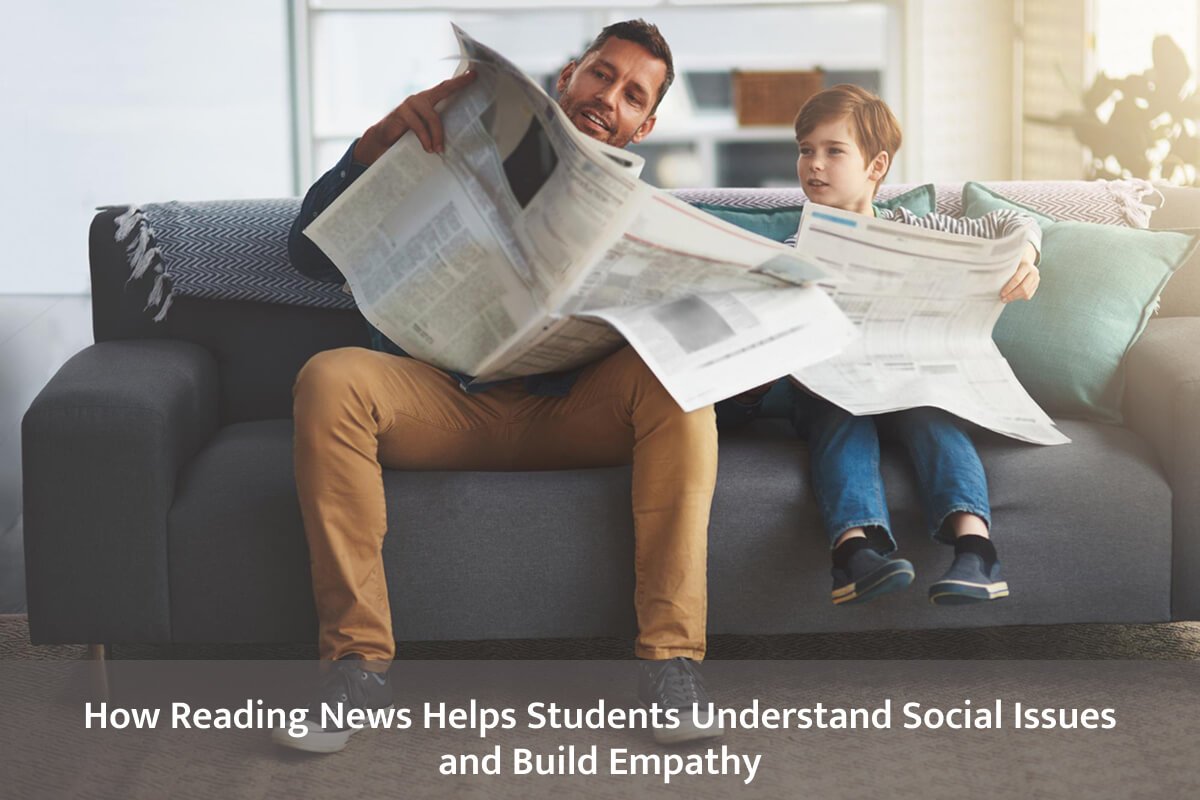
How Reading Newspapers Daily Improves Critical Thinking Skills in Students
What Are Critical Thinking Skills?
Critical thinking is a basic ability that helps individuals guide along route, often over water news, resolve problems, and create persuaded determinations in everyday growth. Before investigating reason it matters so much for learners, it’s main to distinctly appreciate what it actually includes.
Critical thinking abilities concern the strength to analyze facts impartially, judge different views, and form realistic judgments. Rather than recognizing information at apparent worth of something, a fault-finding intellectual questions assumptions, labels biases, and looks for evidence before illustration judgments.
At the core of detracting thinking should thinking talent. Logical thinking involves:
• Recognizing patterns and connections betwixt plans
• Identifying cause-and-effect connections
• Distinguishing numbers from belief
• Drawing judgments based on evidence
• Detecting discrepancies or imperfections in debates
For example, when presented accompanying an debate, a reasonable thinker tries either the judgment truly trails from the evidence supported. They evaluate either the reasoning is sound, either main facts is missing, and either alternative reasons endure. This structured approach reduces mistakes in doom and increases decision-making.
Importance of Critical Thinking for Students
Strong fault-finding thinking does as well upgrade classroom acting—it equips juniors accompanying skills that influence all facet of their private and professional lives.
Critical thinking is essential for students cause it strengthens two together academic conduct and practical existence abilities. In an age of overpowering information, scholars must able to have or do judge sources, define dossier, and create conversant choices.
Academic Benefits
• Improved understanding: Students better believe complex ideas by analyzing and interrogation material.
• Stronger logical abilities: Logical reasoning helps them decay troublesome questions into manageable parts.
• Better essay and ideas: Evaluating evidence and constitute arguments leads to more apparent, more influential work.
• Higher academic accomplishment: Critical thinkers engross intensely accompanying content, which improves memory and request.
Life Skills Development
• Effective decision-making: Students gain to contemplate alternatives and consider results.
• Independent thinking: They evolve assurance in forming their own conversant belief.
• Adaptability: Analyzing new positions helps them adopt change.
• Responsible place of birth: Evaluating facts precariously enables conversant partnership in institution.
By cultivating detracting thinking abilities early, scholars gain tools that not only enhance academic gain but too prepare ruling class for lasting education and thoughtful administrative.
Role of Newspapers in Education
In today’s fast-paced world, staying informed is an essential part of learning. Beyond textbooks and classrooms, newspapers serve as a bridge between academic knowledge and real-world events, helping students connect theory with practice.
Newspapers play a significant role in education by introducing students to current events, social issues, economic trends, and scientific developments. They expand learning beyond prescribed syllabi and encourage students to stay aware of what is happening locally, nationally, and globally.
One of the biggest advantages of newspapers is real-world learning. Through news articles, editorials, case studies, and reports, students see how concepts learned in subjects like economics, politics, science, and history apply in real situations. For example, reading about environmental policies helps students understand climate change discussions in a practical context. This exposure strengthens their ability to relate classroom knowledge to everyday life and prepares them for informed participation in society.
How Reading News Develops Analytical Thinking
Reading news regularly does more than increase awareness—it sharpens the mind. By engaging with real events and diverse viewpoints, students naturally develop stronger analytical thinking skills.
Evaluating Information
When students read news articles, they learn to assess the credibility of sources, examine evidence, and identify potential bias. This habit encourages them to question the reliability of information rather than accepting it without scrutiny.
Over time, they become more skilled at distinguishing between verified facts and unsupported claims. This critical evaluation process strengthens their ability to make informed judgments in both academic and real-life situations.
Understanding Different Perspectives
News coverage often presents multiple viewpoints on social, political, and economic issues. By reading varied opinions, students learn that complex problems rarely have a single solution.
Exposure to differing perspectives fosters open-mindedness and empathy. It helps students analyze arguments from all sides before forming their own reasoned opinions, enhancing balanced and thoughtful thinking.
Fact-Based Learning
Newspapers rely heavily on data, statistics, expert interviews, and documented events. Regular reading encourages students to base their understanding on evidence rather than assumptions.
This approach promotes disciplined thinking. Students begin to value research, verified facts, and logical explanations, which strengthens their academic writing and problem-solving abilities.
Logical Reasoning
News stories often describe causes, effects, consequences, and outcomes. By following how events unfold, students learn to identify connections between actions and results.
This improves their logical reasoning skills, as they practice analyzing sequences, predicting potential outcomes, and evaluating whether conclusions are supported by evidence. Over time, such reasoning becomes a natural part of how they approach information and decision-making.
Encouraging Independent Opinions
Developing strong thinking habits is essential for students who want to grow intellectually and personally. Beyond absorbing information, learners must also learn to form their own viewpoints and make thoughtful choices.
Education should not only provide knowledge but also empower students to think for themselves. Encouraging independent opinions helps learners move from passive acceptance of information to active engagement with ideas.
Self-thinking means analyzing information, questioning assumptions, and forming conclusions based on personal reasoning rather than simply following others. When students practice independent thinking, they become more confident in expressing their views and supporting them with logical arguments. This process builds intellectual confidence and reduces the tendency to rely solely on peer pressure or popular opinion.
By developing independent opinions, students also learn responsibility. They understand that their viewpoints should be informed by evidence, fairness, and critical evaluation, which strengthens both academic performance and personal growth.
Improving Problem-Solving Skills
Strong thinking skills naturally lead to better problem-solving abilities. When students learn to analyze situations carefully, they become more capable of handling challenges effectively.
Problem-solving is a vital skill that extends far beyond the classroom. Whether tackling academic assignments or real-life challenges, students must learn how to approach issues logically and systematically.
Effective decision-making is at the heart of problem-solving. It involves identifying the problem clearly, considering possible solutions, weighing the pros and cons, and choosing the most suitable option based on evidence. Students who develop these skills are better prepared to handle complex tasks, manage conflicts, and adapt to changing circumstances.
By practicing structured thinking and thoughtful decision-making, students gain the confidence to face challenges independently. These abilities not only enhance academic success but also prepare them for responsible and capable adulthood.
Understanding Real-World Issues
Education becomes truly meaningful when students can connect what they learn in class to what is happening around them. Awareness of real-world issues helps learners develop a broader understanding of society and their role within it.
Students need more than theoretical knowledge—they need an understanding of current social, economic, environmental, and political challenges. Engaging with real-world issues allows them to see how global and local events shape communities and influence everyday life.
This exposure builds social awareness, which is the ability to understand societal problems, recognize diverse experiences, and empathize with others. Social awareness encourages students to think beyond personal interests and consider the impact of decisions on society as a whole. It nurtures responsible citizenship, ethical thinking, and a deeper sense of community involvement.
Benefits of Awareness-Based Learning
When learning is rooted in awareness, it becomes more practical and impactful. Awareness-based learning encourages students to stay informed and apply knowledge thoughtfully in different situations.
- Improved communication: Students who stay informed can engage in meaningful discussions, express their ideas clearly, and understand different viewpoints more effectively.
- Better knowledge: Awareness of current events and social issues broadens understanding beyond textbooks, leading to well-rounded and up-to-date knowledge.
- Increased confidence: Being informed helps students speak with assurance, participate actively in debates, and share opinions without hesitation.
- Informed decision-making: Awareness-based learning enables students to evaluate situations carefully and make thoughtful, responsible choices based on facts and understanding.
Who Can Benefit from Newspaper Reading?
Newspaper reading is not limited to a particular age or academic level. Its value extends across different groups of learners, each benefiting in unique ways depending on their educational stage and goals.
Students from various academic backgrounds can gain advantages from reading newspapers regularly. From primary school learners to university students, exposure to current events strengthens comprehension, vocabulary, and general awareness.
- School students: Young learners improve reading skills, expand vocabulary, and develop curiosity about the world around them.
- High school students: They gain deeper insights into social, political, and economic topics that support subjects like history, civics, and economics.
- College and university students: Advanced learners benefit from analytical exposure to real-world case studies, policy debates, and industry developments.
- Competitive exam aspirants: Staying updated with current affairs is essential for exams that test general knowledge and awareness.
Regardless of academic level, regular newspaper reading supports intellectual growth and informed thinking.
Long-Term Impact on Student Development
The habit of reading newspapers does not just offer short-term academic advantages—it contributes significantly to overall personal and intellectual development over time.
- Better academic performance: Regular exposure to current information enhances comprehension, writing skills, and subject knowledge, leading to stronger academic results.
- Improved reasoning: Analyzing news stories strengthens logical thinking and the ability to evaluate arguments critically.
- Awareness of global issues: Students become more informed about international events, cultural diversity, and worldwide challenges, fostering global understanding.
- Leadership skills: Informed and aware students are more confident in discussions, decision-making, and guiding others, which helps build effective leadership qualities.
FAQs About Newspaper Reading
As students and parents explore the value of newspaper reading, several common questions often arise. Addressing these helps clarify how regular engagement with news contributes to academic and personal growth.
Q1. How does reading newspapers improve critical thinking?
Reading newspapers exposes students to real events, diverse viewpoints, and fact-based reporting. This encourages them to analyze information, question assumptions, and evaluate evidence before forming opinions. Over time, this habit strengthens logical reasoning and independent thinking.
Q2. Why should students read newspapers daily?
Daily reading keeps students consistently informed about current events and ongoing developments. It builds a routine of awareness, improves vocabulary, and helps them connect classroom learning with real-world situations.
Q3. Can news reading improve decision-making skills?
Yes, regular exposure to news stories helps students understand cause-and-effect relationships and examine different outcomes of actions. This practice strengthens their ability to assess options carefully and make informed, balanced decisions.
Q4. What are the benefits of awareness-based learning?
Awareness-based learning improves communication skills, broadens knowledge, increases confidence, and supports informed decision-making. It prepares students to participate actively and responsibly in society.
Q5. How does newspaper reading help in academics?
Newspaper reading enhances comprehension, writing ability, and general knowledge. It supports subjects such as history, economics, politics, and science by providing practical examples that deepen understanding and improve academic performance.
Key Takeaways
Developing the habit of reading newspapers offers long-lasting educational and personal advantages. The key benefits can be summarized clearly.
Regular newspaper reading plays an important role in shaping thoughtful, informed, and capable students.
- Enhances critical thinking: Encourages logical analysis, evaluation of evidence, and independent opinions.
- Builds awareness: Keeps students informed about social, economic, and global issues.
- Improves problem-solving: Strengthens decision-making abilities and practical reasoning skills.
Empower Students Through Newspaper-Based Learning with Sakal NIE
Schools can strengthen classroom learning by integrating structured newspaper-based programs into their curriculum. Adopting initiatives like Sakal NIE helps students connect academics with real-world developments in a meaningful way.
Awareness-based education encourages critical thinking, informed discussions, improved communication, and responsible decision-making. By exposing students to current events and diverse perspectives, schools nurture socially aware, confident, and analytically strong learners.Empower your students with practical knowledge and real-world insight—visit https://www.sakalnie.in/ to learn more about implementing the program in your institution.

Leave a Reply