


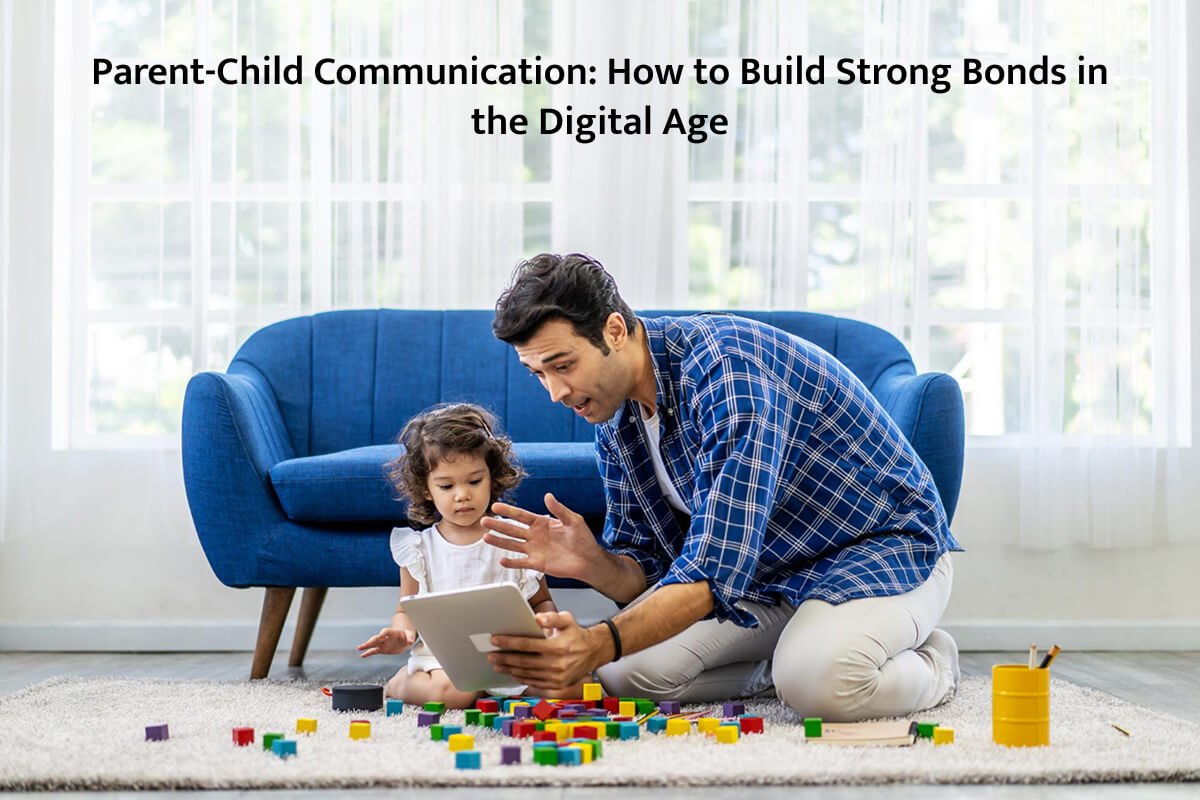
Parent-Child Communication: How to Build Strong Bonds in the Digital Age
In today’s fast moving world, a lot of families spend hours huddled around screens yet they still seem kind stuck when it comes to actually feeling connected inside. Parents and kids might share the same room, but one person is scrolling while the other is watching separate things. And then of course, there’s always another appointment another deadline and somehow there is no real opening for a decent conversation. Over time this screen reliance can bend emotional understanding a little and it can make communication gaps show up inside the family. Getting communication skills right for families isn’t really “optional parenting advice” anymore. It has turned into a necessary part of raising emotionally steady children. Child psychology research keeps pointing to the same idea, that positive communication helps build emotional closeness, supports better behavior and strengthens mental wellbeing. Plus alongside expert viewpoints, practical approaches like active listening, device free family time and empathetic conversations can help families rebuild stronger emotional links during normal everyday life not only during special moments.
Why Parent-Child Communication Matters
Good communication helps parents and children form a strong emotional bond and honestly it makes life a bit easier. In today’s digital world having regular chats and doing active listening is still important, for building trust, understanding and emotional support inside families.
Foundation of Strong Relationships
Open communication builds family closeness and helps kids feel valued, and like they’re really understood not just “managed” or whatever.
Role in Emotional Development
When parents talk openly, children can share their feelings better. They also learn empathy and they slowly develop emotional strength. It’s sort of like a support system but in words.
Impact on Behavior and Confidence
Positive communication can improve behavior, raise self-confidence and quietly steer children toward responsible choices. Less yelling more guidance the whole vibe.
Building Trust and Security
When conversations are honest, supportive they help kids feel safe and secure. They get comfortable sharing their thoughts and that feeling it doesn’t just vanish after one good day.
Long-Term Relationship Benefits
Strong communication builds lifelong family bonds. And it also teaches children relationship skills that stay useful later on with friends, partners and even in their own future households.
Challenges of Communication in the Digital Age
Technology sure makes it faster but it also creates weird little difficulties inside families. Like many parents and children end up spending more time on devices and then somehow the real conversations get pushed aside which makes it harder to feel that emotional closeness at home. And yes, those digital distractions can end up hurting understanding, trust and even family bonding over time. So noticing these issues is key, if we want healthier parent child communication.
Increased Screen Time
When phones, tablets and social media get overused the family interaction becomes kind a thinner and the actual communication time shrinks too. It can feel like everyone is “together” but nobody is fully there.
Reduced Face-to-Face Interaction
Usually, digital communication steps in instead of personal conversation and it kind of limits the emotional bond, the sort of insight that appears in real life moments. You lose the tone, you lose the pauses and sometimes you miss the entire vibe.
Distractions from Devices
Notifications, games and all that online content can cut through a conversation, pretty fast. Then listening with full focus gets weaker because attention keeps getting yanked away. It’s not always deliberate but the outcome is still the same.
Communication Gaps
Busy schedules plus constant device use can make emotional distance grow. And then misunderstandings happen because things get said quickly or not explained in a calm way and suddenly both sides interpret things differently.
Changing Family Dynamics
Technology changes how families spend time together. So it becomes more difficult to keep strong emotional ties and consistent communication. Even when people do talk the rhythm might be off and the connection can slowly slip.
Signs of Healthy Parent-Child Communication
Healthy parent child communication tends to make the whole household feel warmer, more encouraging and honestly easier to be around. In those families, kids often feel safe, respected and really like they are being understood, not just heard. Over time good communication patterns can build trust stronger feelings of closeness and that kind of “we get each other” mutual understanding.
Open and Honest Conversations
Parents and children talk openly about feelings everyday events and what’s happening in daily life with less awkward stops and pauses.
Mutual Respect
Both sides kind of listen in a respectful way they treat each other’s opinions like they matter even when they don’t really fully agree in the end you know.
Emotional Comfort
Kids feel emotionally safe enough to talk about hard things, concerns and all kinds of emotions with their parents. They don’t feel shut down or brushed off not even for a moment.
Active Listening
During conversations, parents give full attention and they reply with patience and real understanding not hurried energy or constant distraction.
Willingness to Share
Children feel comfortable sharing what they think their small victories and yes even the tougher moments too with their parents. It becomes a natural flow almost like a daily cadence not something forced or rehearsed.
Common Communication Mistakes Parents Make
Good communication really should need a lot of patience, understanding and a steady attention. But honestly a few habits here and there can make emotional distance start to show up between parents and children and then talking about things together gets harder than it needs to be. When parents notice these little slip ups they can start adjusting how they speak slowly and bit by bit and that helps build a stronger and healthy relationship with their kids even if nothing feels “perfect” right away.
Not Listening Actively
A parent might hear what the child is saying but still not quite really get the feelings underneath or the concerns the child is carrying around.
Being Too Judgmental
If criticism shows up a lot or if the reaction is fast and judging, children can start to feel scared to speak honestly and then the conversation kind of dries up.
Interrupting or Dismissing Feelings
When emotions get ignored or treated like they’re “not a big deal” it can lower trust and it also reduces that emotional safety kids need.
Overusing Instructions Instead of Dialogue
Some parents talk mostly in commands and advice. Yet without real back-and-forth, there is less room for meaningful conversation and communication stays kind of thin.
Lack of Quality Time
Busy routines, plus phone screens and other distractions, can steal those chances for family talk that actually matters, and then everyone ends up feeling disconnected.
Principles of Effective Communication with Children
Effective communication can help kids feel really understood, respected and kind of emotionally supported too. When parents lean into simple, positive interactions, it usually strengthens that parent child bond and honestly it can make the whole home atmosphere better for learning, and for emotional growth as well.
Clarity and Simplicity
When you use language that is pretty simple and clear, it helps a child pick up the message and the expectations, plus the guidance they are getting. In a lot of cases even a short sentence works better than one long explanation and honestly that is pretty normal.
Empathy and Understanding
When parents show real empathy, kids often feel emotionally steadied and kind a supported at the same time. From there, they’re more likely to talk openly even if they don’t have the proper words, or when they just can’t find a right way to explain things perfectly anyway.
H3 – Consistency in Communication
Consistent wording, consistent rules and consistent responses matter more than people think. It makes children feel safe and it also cuts down on confusion, because they start to know what to expect next time. Not those weird, confusing surprises that make everyone get tense right away.
Positive Language
Choosing encouraging and respectful language builds confidence. It also supports positive conduct instead of making the child feel pushed aside or misunderstood.
Encouraging Expression
Letting children express their thoughts and feelings without a lot of pressure strengthens trust and it improves that emotional closeness. Even when you don’t agree right away, listening first can change the whole outcome quite a bit.
How to Build Trust Through Communication
Trust is basically one of the biggest parts of a healthy parent-child relationship. Kids tend to talk more openly when they feel emotionally safe, respected and actually supported by their parents, not just “told” to be fine. When communication is positive and real it can strengthen emotional ties, and also makes a steadier space where children feel ok sharing what they’re thinking, and what is bothering them too.
Being Honest and Transparent
Honest communication helps children feel respected and it also shows why truthfulness matters.
Keeping Promises
When you actually follow through, on what you said, it kind of snowballs into reliability over time. It also makes a child trust you more, because, you know, “my parent means what they say” and not just the other way around.
Respecting Child’s Feelings
If you listen, and you put a name to what they feel, they often start feeling noticed valued, and yeah, genuinely understood.
Avoiding Criticism
Instead of harsh criticism, supportive guidance works better, because it encourages open conversation that stays positive and less defensive.
Creating a Safe Space
A calm environment that doesn’t judge them, helps children say what’s on their mind without fear, or hesitation, and sometimes without even having to “perform” for you.
Age-Wise Communication Strategies
Kids communication needs change as they get older. When caregivers use methods that match the child’s age, it can help parents figure out what the kid is feeling, how they act and where they are in their development, kind of more clearly. If you tweak the way you talk depending on age trust usually grows, confusion goes down and emotional growth tends to feel more steady too.
Toddlers (2–5 Years)
Stick with plain language, wait a little longer, and use a soft voice while inviting them to name simple feelings and daily needs.
Young Children (6–10 Years)
Try to nudge them toward questions and yeah do those little back and forth chats too just keep it kind when you talk about school, friendships and all those day to day bits that look minor but somehow end up mattering a lot later.
Pre-Teens (11–13 Years)
Don’t turn it into a nonstop back and forth debate every single time. Use empathy, plus clear explanations, because that really works here, without making it this huge thing.
Teenagers
Give them room for independence, try not to add judgement or extra pressure all day and keep the communication lines open so the conversation stays real and honest.
Adapting Communication Style
Let them have space to make choices on their own. Try not to toss in judgement or extra pressure all day. Keep the communication pathways open too, so the talking stays easy, natural and real honesty.
Role of Listening in Strengthening Relationships
You know good communication isn’t only about talking it’s also about listening. Listening matters because it makes people feel heard valued and respected not just “handled” in a conversation. It keeps trust steady reduces that messy confusion and supports stronger emotional ties that actually stick around.
Active Listening Techniques
Active listening is kind a like paying close attention to what the other person is saying not only hearing the words but catching the meaning underneath. It can also mean you toss in a few simple questions show real curiosity and then roughly repeat back the key parts, so you can check that you understood it the right way you know.
Understanding Non-Verbal Cues
Body language facial expressions and the tone in someone’s voice can quietly give you a lot even before they explain anything directly . If you pay attention to those signals you get a stronger read on the feelings that are underneath the words not just the words themselves because yeah there’s usually more going on than the sentences suggest.
Giving Full Attention
Giving full attention means no distractions. You stay focused the entire time you’re talking with them. Eye contact helps too and so does patience because it tells the speaker that they really matter right then.
Responding Thoughtfully
Responding thoughtfully is basically saying, you care and you really got what they meant. Like even a tiny pause, before you jump into your answer, can help stop misunderstandings and it usually keeps things calmer less tense and more even paced in a kind of respectful way. It’s not just about the words it’s also about the tone and the attention.
Building Emotional Connection
When you listen with empathy people often feel safe and supported. Over time that grows trust and it gradually opens the door to a deeper emotional connection one small step at a time without rushing
Managing Screen Time and Communication Balance
Technology is basically everywhere in daily life but if there is too much screen time it can sort of quietly shrink meaningful conversations. Getting some balance in place allows families to spend more actual time together and well it also helps people understand each other in a smoother way.
Setting Screen-Free Family Time
Time without screens really helps a family stay focused on conversations and those shared little moments. For example, meals, evenings or family activities can work well as times to step away from devices and just be there.
Encouraging Offline Interaction
Going offline helps everyone be together more often side by side and not just in a way that feels kind a forced. It can be the little stuff like chatting or playing games or even taking walks that keeps the convoy warm and gives it space to happen more naturally. Even just being physically present seems to invite more genuine interaction and somehow it makes it easier to stay connected.
Monitoring Digital Usage
Watching screen time helps guide better habits over time. Parents can steer children gently and nudge them toward a balanced use of devices rather than letting it become the default choice all the time.
Creating Shared Experiences
Shared experiences help families form memories and stronger ties. Doing something together like watching a movie, cooking or playing games can encourage a real connection not just passive attention.
Leading by Example
Kids often copy what adults do even when it feels “unnoticed”. Parents who balance screen time with real conversation can inspire better habits at home and in many cases it spreads without anyone having to say too much.
Encouraging Open and Honest Conversations
When parents talk in a real way, it helps kids feel safe enough to bring out their thoughts, emotions and worries. Then kind a notice the whole situation starts to feel clearer between parent and child like it’s not so fuzzy anymore even if it was kind a messy before.
Asking Open-Ended Questions
Open ended questions help kids explain more fully, about what they think or what they went through. If you ask something they can’t answer with a simple yes or no it often opens the door to a deeper conversation with more back-and-forth.
Avoiding Judgment
Listening without criticism really matters. If you respond with a calm, steady, understanding tone kids tend to feel safer speaking freely. That kind of comfort keeps the lines of communication moving.
Showing Interest in Child’s Life
It helps to notice the small stuff, you know like daily routines, hobbies or even who they are hanging with. When you do that the kid can feel, genuinely valued. And it kind of quietly deepens that parent child bond in a way that feels real, not forced.
Creating Comfortable Environment
A calm and welcoming space makes talking feel less heavy. Kids are more likely to open up when they feel relaxed and protected like nothing bad is going to happen because they said something.
Reinforcing Trust
Trust grows when parents listen offer support and respect what a child feels. When communication stays consistent kids often feel more secure and they may feel even more understood too.
How to Handle Difficult Conversations
Hard conversations show up in parenting and in relationships too. If you handle them with care, patience and a bit of understanding things can feel less tangled and communication starts working better. A calm and supportive style helps children feel safer so they actually want to share what they feel and what they’re worried about. When you talk honestly the trust grows and it can also make problem solving a lot easier.
Staying Calm and Patient
Keeping your own composure matters, because stress and confusion can sneak in fast. Patience also counts, because children need a little time to sort out their thoughts and emotions before they speak.
Choosing the Right Time
The timing is kind a big deal because if it’s the right moment then most conversations tend to go smoother. A quieter, more relaxed setting helps everyone actually hear each other and it makes understanding easier too.
Being Honest but Sensitive
Being honest helps build trust, but being sensitive protects people’s feelings. Try to use clear explanations, yet keep the delivery gentle, so those harder topics don’t end up feeling like a solid wall.
Listening Without Interrupting
Just listen without interrupting, it’s that simple. Doing it that way shows respect and that real genuine care. It also helps the children feel kind a heard, like actually, so they’re more likely to open up later on maybe.
Providing Guidance
Giving guidance helps children understand what’s happening and learn from mistakes. With support and steady advice, they can make better choices next time in a steadier way.
Building Emotional Connection with Your Child
Having a real emotional bond helps kids feel safe, loved ,and supported. It grows trust and yes it also encourages smoother communication between parents and children. Small everyday things, even the plain ones can make the relationship feel warmer and it also creates those memories that stick.
Spending Quality Time Together
That quality time makes it easier for parents and children to connect. Simple stuff like chatting, playing or reading side by side can strengthen the relationship in a pretty natural way.
Sharing Experiences
When you share experiences you get those good memories and you also learn each other better. Family outings and even little daily moments help form a stronger connection over time.
Showing Appreciation
When you acknowledge what your child does even the tiny things, it helps them feel valued and seen. A few gentle words, real encouragement and a little praise can boost confidence too. It also builds trust in a way that feels steady.
Being Present
To be present is kind of giving your full attention during chats , games or anything else happening that day. it helps kids feel important, and cared for in a real way they can notice and kind of hold onto sometimes it’s just calm, quiet time together but it really matters more than people think.
Strengthening Emotional Bonds
Emotional bonds usually get a lot stronger when there’s trust, attentive care, and straightforward communication. With consistent support, plus those small pauses you share, the relationship keeps pushing ahead, it stays cozy and it just feels more resilient.
Communication Activities to Strengthen Bonds
When families do communication activities they can connect and understand each other a bit more. Even small shared moments like really sitting together can build trust support and that emotional closeness feels more natural. Sometimes it’s not the big thing but the casual talk that works.
Family Discussions and Check-ins
If you keep doing regular discussions, family members get space to share thoughts and feelings. Daily check-ins even short ones can make understanding easier and communication flows more smoothly.
Storytelling and Sharing Experiences
Playing Interactive Games
Interactive games push teamwork, communication and yeah a ton of laughter. They also make it easier for families to spend meaningful time together without it feeling like a chore or too heavy and overly serious.
Daily Reflection Activities
Daily reflection gives children a way to talk about feelings, experiences and what they picked up. Those kind a simple end of day chats can strengthen the connection and tomorrow feels less heavy or complicated, I mean, less of a grind. Sometimes even one small chat is enough for real.
Gratitude Practices
Gratitude practices help family members notice the good little moments. Saying “thank you” and sharing appreciation, that can make relationships feel steadier, calmer and more connected.
FAQs About Parent-Child Communication
Parent child communication, honestly it kind of matters a lot, when you’re trying to build trust and some real understanding. When actual conversations happen more often, kids usually feel more supported and that emotional tie starts feeling a bit tighter too. It’s like everything becomes more intertwined even if it’s not always super obvious day to day, sometimes you only notice later, after you’ve already moved on a bit.
Q1. How can I improve communication with my child?
Start by setting aside quality time ,listen carefully, and invite those honest conversations. Ask simple questions, then show you actually care, because tiny details can change the entire flow. Even a quick “What happened today” can be a big deal ,if you don’t rush the answer, or you don’t act like it’s a chore.
Q2. Why is communication important in parenting?
Communication helps build trust , it keeps the household more aligned and it strengthens an emotional bond that feels steady and safe. It also makes it easier for children to open up about their feelings, and then work through the problems in a smoother way, rather than holding everything inside until it starts turning into a bigger issue.
Q3. How do I handle communication gaps?
Keep your patience, listen without judgment and make space for regular check ins. Honest conversations kept calm usually help bridge those communication gaps. And yeah, sometimes it’s not the big talk at all, it’s the consistent small conversations that helps the most.
Q4. What are common mistakes in parent-child communication?
Interrupting, judging or just flat out ignoring feelings and then not listening carefully, these kinds of things show up pretty often. Also, sometimes folks end up talking past each other like the message arrives but the meaning never quite sticks, you know. If the communication stays clear and respectful then it usually helps reduce confusion and keeps misunderstandings from growing roots at least most of the time.
Q5. How does screen time affect communication?
If you have too much screen time, real family talk can start to feel a lot smaller and it may also reduce the time for bonding in a kind a sneaky way at the start, like you don’t really notice right away. Once you set some boundaries and add a handful of screen-free minutes, communication usually feels better. This happens because there’s more room for actual discussion than most people expect.
Key Takeaways
Good parent child communication is kind of what really helps build trust, understanding, and that emotional closeness, and honestly it’s those tiny day by day efforts that can, kinda quietly improve everything and make a home turn into a more supportive space for kids. When families use healthy communication habits they usually stay connected and handle problems together. regular care, attentive listening and real conversations that actually matter can keep long term relationships solid. Like, in a way communication is the base stuff of solid relationships, but also it somehow builds trust and understanding. Yet those digital distractions, they can mess up bonding and lower the amount of genuinely meaningful family conversation that happens… even if everybody is right there, in the same room. Listening with empathy helps children feel actually heard, safe and respected, not just “handled”. Then, being steady and consistent in how you communicate builds that trust too, and it just deepens the emotional bond over time.
Strengthen Your Bond Through Meaningful Communication
Meaningful communication helps parents and children build trust, understanding and that emotional connection. Like, just small daily talks and a bit of quality time can make a child feel really appreciated supported and actually heard. A strong relationship grows from attentive listening, patience and truthful conversation. Even tiny attempts each day can create a calmer home setting and strengthen that parent child bond, little by little over time.

Leave a Reply