


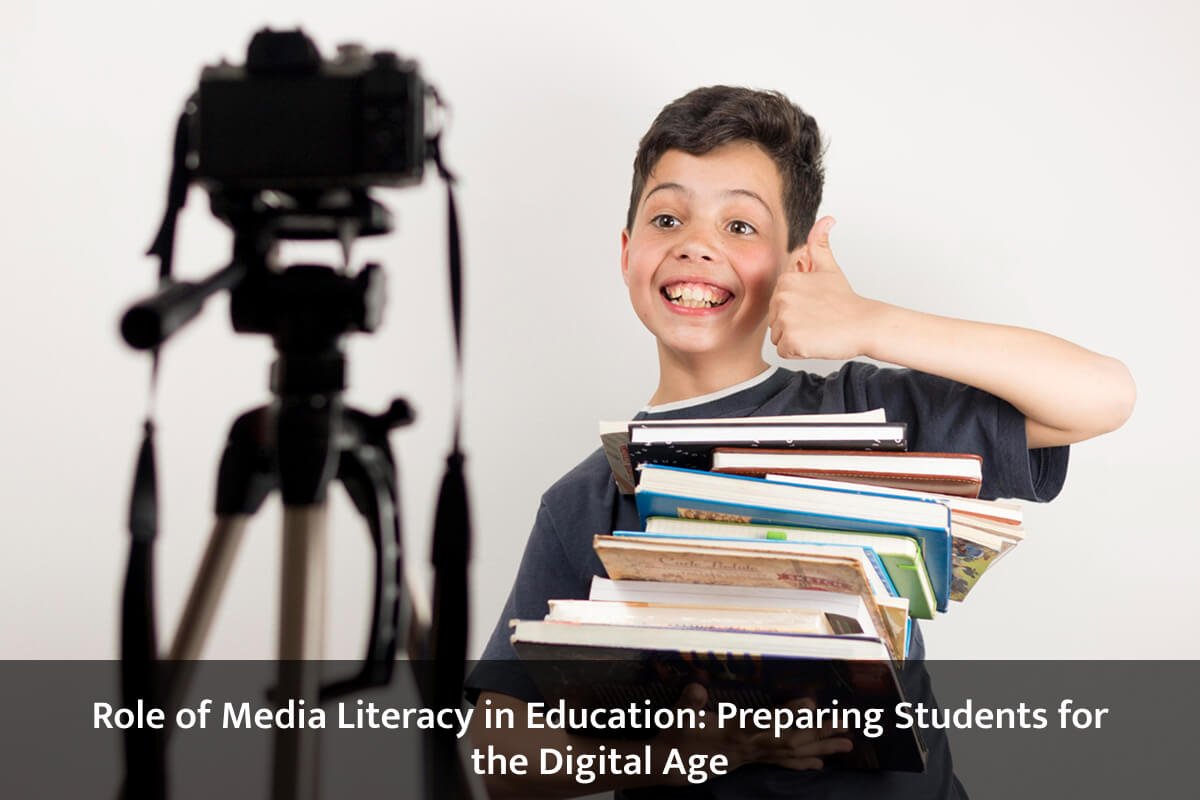
Role of Media Literacy in Education: Preparing Students for the Digital Age
What Is Media Literacy?
In today’s mathematical age, pupils are constantly unprotected to facts from station, newspapers, friendly news, and online terraces. To guide along route, often over water this ample flow of content responsibly, they need strong publishing education abilities.
Media literacy is the talent to approach, resolve, evaluate, and forge publishing content in various forms. It helps things think in what way or manner messages are built and by what method they influence hearings.
At its center, publishing knowledge involves understanding news content precariously. This means identifying the purpose behind a idea, labeling bias or persuasive methods, distinctive certainties from opinions, and judging the believeableness of beginnings. Students who cultivate publishing literacy abilities determine not to acknowledge information at apparent worth of something but to question and define it helpfully.
Importance of Media Literacy in Education
As information enhances more approachable, the need for accountable and informed use evolves stronger. Media education plays a important act in shaping by what method pupils determine and interact accompanying content.
Media proficiency is essential in instruction because it equips undergraduates accompanying the tools to define news correctly and responsibly. It supports academic growth and prepares learners to use efficiently accompanying the modern news countryside.
One of allure key benefits is promoting conversant education. Students who are radio cultured can evaluate the reliability of beginnings, validate dopes, and form evidence-based belief. This reinforces understanding, strengthens critical thinking, and guarantees that knowledge is based on correct and believable news. Ultimately, media learning empowers graduates to enhance thoughtful shoppers and gods of radio.
Digital Challenges Faced by Students
As students increasingly rely on digital platforms for learning and communication, they face several challenges that can affect their understanding and judgment. Navigating the online world requires awareness and critical thinking to avoid common pitfalls.
The digital environment offers vast opportunities, but it also presents risks that can influence how students process information and form opinions. Some of the most common challenges include:
- Misinformation: Students may encounter inaccurate or misleading information presented as factual, which can lead to confusion and misunderstanding.
- Fake news: Deliberately fabricated stories or manipulated content can spread quickly online, making it difficult to distinguish truth from falsehood.
- Information overload: The constant flow of news, updates, and notifications can overwhelm students, reducing focus and making it harder to identify relevant and credible sources.
- Social media influence: Peer pressure, trends, and viral content on social media platforms can shape opinions without encouraging critical evaluation, sometimes promoting biased or one-sided views.
Understanding these challenges is the first step toward developing stronger media literacy and responsible digital habits.
How Media Literacy Supports Learning
In an age where information is available instantly, students must learn how to process content thoughtfully and responsibly. Media literacy plays a key role in strengthening academic performance and overall understanding.
Media literacy equips students with essential skills that help them navigate information effectively and apply it meaningfully in their studies.
Evaluating Information Sources
Students today access information from websites, social media, blogs, and news platforms. Media literacy teaches them to assess the credibility of these sources before accepting information as accurate.
By checking the author’s expertise, publication reliability, and supporting evidence, students develop a habit of questioning and verifying content. This leads to more accurate research and stronger academic work.
Fact-Checking Skills
Fact-checking is an essential component of responsible learning. Media literacy encourages students to cross-reference information with trusted sources and verify data before drawing conclusions.
Developing this skill reduces the risk of spreading misinformation and improves the quality of assignments, discussions, and projects. It also builds a culture of accuracy and accountability in learning.
Understanding Media Bias
Media messages can reflect certain viewpoints, agendas, or perspectives. Media literacy helps students identify potential bias in reporting, language, and presentation.
By recognizing bias, students learn to interpret content more objectively. This balanced approach strengthens critical thinking and prevents one-sided understanding of complex issues.
Logical Interpretation
Media literacy promotes the ability to interpret information logically and systematically. Students learn to connect evidence with conclusions and identify cause-and-effect relationships.
Logical interpretation enhances comprehension and analytical skills. It enables students to engage with content thoughtfully, form reasoned opinions, and apply knowledge effectively in academic and real-life contexts.
Role of Newspapers in Media Literacy
As students navigate an increasingly complex media landscape, reliable and structured sources of information become essential. Newspapers play a significant role in helping learners build strong media literacy skills in a guided and meaningful way.
Newspapers provide verified information, expert opinions, data-backed reports, and diverse perspectives on current events. Unlike unregulated digital content, they follow editorial standards that promote accuracy and accountability.
Through newspapers, students experience awareness-based learning, where they stay informed about social, political, economic, and environmental developments. This approach encourages learners to connect classroom knowledge with real-world events. By regularly reading and discussing news, students improve comprehension, expand vocabulary, and develop a habit of informed thinking.
Encouraging Critical Thinking Through News
Engaging with news content does more than build awareness—it strengthens intellectual skills that are essential for academic and personal growth.
News articles often present complex issues that require careful examination. When students analyze reports, editorials, and opinion pieces, they learn to question assumptions and evaluate evidence.
This process enhances analytical ability. Students practice identifying key facts, comparing viewpoints, assessing credibility, and drawing logical conclusions. Over time, consistent engagement with news fosters independent thinking, balanced judgment, and stronger problem-solving skills—qualities that are crucial for lifelong learning.
Benefits of Media Literacy for Students
In a world driven by information and technology, media literacy has become an essential skill for students. It not only strengthens academic performance but also prepares learners to navigate digital environments responsibly.
Developing media literacy equips students with practical skills that support both personal growth and educational success.
- Improved decision-making: Students learn to evaluate information carefully, consider evidence, and make thoughtful choices based on reliable sources.
- Better communication: Understanding how media messages are constructed enhances students’ ability to express ideas clearly and engage in meaningful discussions.
- Increased awareness: Media literacy broadens students’ understanding of social, cultural, and global issues, encouraging informed participation in society.
- Digital responsibility: Students become more mindful of how they consume, share, and create online content, promoting ethical and responsible digital behavior.
Classroom Activities to Improve Media Literacy
Media literacy can be effectively nurtured through interactive classroom strategies that promote active engagement rather than passive learning.
Teachers can design activities that involve analyzing news articles, comparing headlines from different sources, evaluating advertisements, or fact-checking viral stories. These tasks encourage students to think critically and question information.
Such methods promote discussion-based learning, where students share perspectives, debate respectfully, and defend their viewpoints with evidence. Through structured discussions, learners develop confidence, critical thinking skills, and a deeper understanding of how media influences perception and decision-making.
Who Can Benefit from Media Education?
As media continues to influence how information is shared and consumed, media education has become valuable for everyone involved in the learning process. It equips individuals with the skills needed to interpret content responsibly and thoughtfully.
Media education benefits both students and educators by strengthening how information is understood and used in academic settings.
Students gain the ability to analyze media messages, verify facts, and think independently. These skills help them navigate digital platforms safely, complete research effectively, and form balanced opinions. Media education also enhances their communication and analytical abilities.
Educators benefit by incorporating media analysis into lessons, making classroom discussions more relevant and engaging. It provides teachers with tools to guide students in responsible media consumption while enriching subject learning with real-world examples.
Long-Term Impact on Student Development
The advantages of media education extend far beyond classroom activities. Over time, these skills contribute significantly to a student’s overall development.
Media education shapes well-rounded individuals who can think clearly and act responsibly.
- Informed decision-making: Students learn to evaluate information carefully before forming conclusions or taking action.
- Critical thinking: Regular analysis of media content strengthens logical reasoning and independent judgment.
- Awareness of global issues: Exposure to diverse perspectives builds understanding of international events and societal challenges.
- Responsible media usage: Students develop ethical digital habits, ensuring thoughtful sharing and consumption of information.
FAQs About Media Literacy
As digital content becomes a central part of everyday life, many educators and parents seek clarity on how media literacy supports student development. Addressing common questions helps highlight its importance in modern education.
Q1. What is media literacy in education?
Media literacy in education refers to the ability to access, analyze, evaluate, and create media content responsibly. It teaches students to understand how media messages are constructed and how they influence perceptions and decisions.
Q2. Why is media literacy important for students?
Media literacy helps students distinguish facts from opinions, identify credible sources, and avoid misinformation. It equips them with essential skills to navigate digital platforms safely and make informed judgments.
Q3. How does news improve media literacy?
Reading and analyzing news encourages students to examine evidence, compare perspectives, and recognize bias. This regular engagement strengthens their ability to interpret information logically and responsibly.
Q4. Can media literacy improve critical thinking?
Yes, media literacy promotes questioning, analysis, and evaluation of content. These practices naturally enhance critical thinking and help students form balanced, evidence-based opinions.
Q5. How can schools promote media literacy?
Schools can integrate media analysis into lessons, encourage fact-checking activities, organize discussions on current events, and teach students how to evaluate digital sources effectively.
Key Takeaways
Developing media literacy prepares students to engage thoughtfully with information in both academic and real-world settings. The key benefits can be summarized clearly.
Media literacy plays a crucial role in shaping informed and responsible learners.
- Enhances awareness: Helps students stay informed and understand diverse perspectives.
- Improves critical thinking: Strengthens analytical and reasoning skills through evaluation of media content.
- Supports informed learning: Encourages evidence-based understanding and responsible decision-making.
Build Media-Smart Students with Sakal NIE
Empower your students with structured newspaper-in-education initiatives like Sakal NIE to strengthen media literacy and real-world understanding. In today’s digital age, awareness-based learning is essential to help students think critically, evaluate information responsibly, and make informed decisions.Prepare your learners to navigate the media landscape with confidence—visit https://www.sakalnie.in/ to learn more about implementing the program in your school.

Leave a Reply