


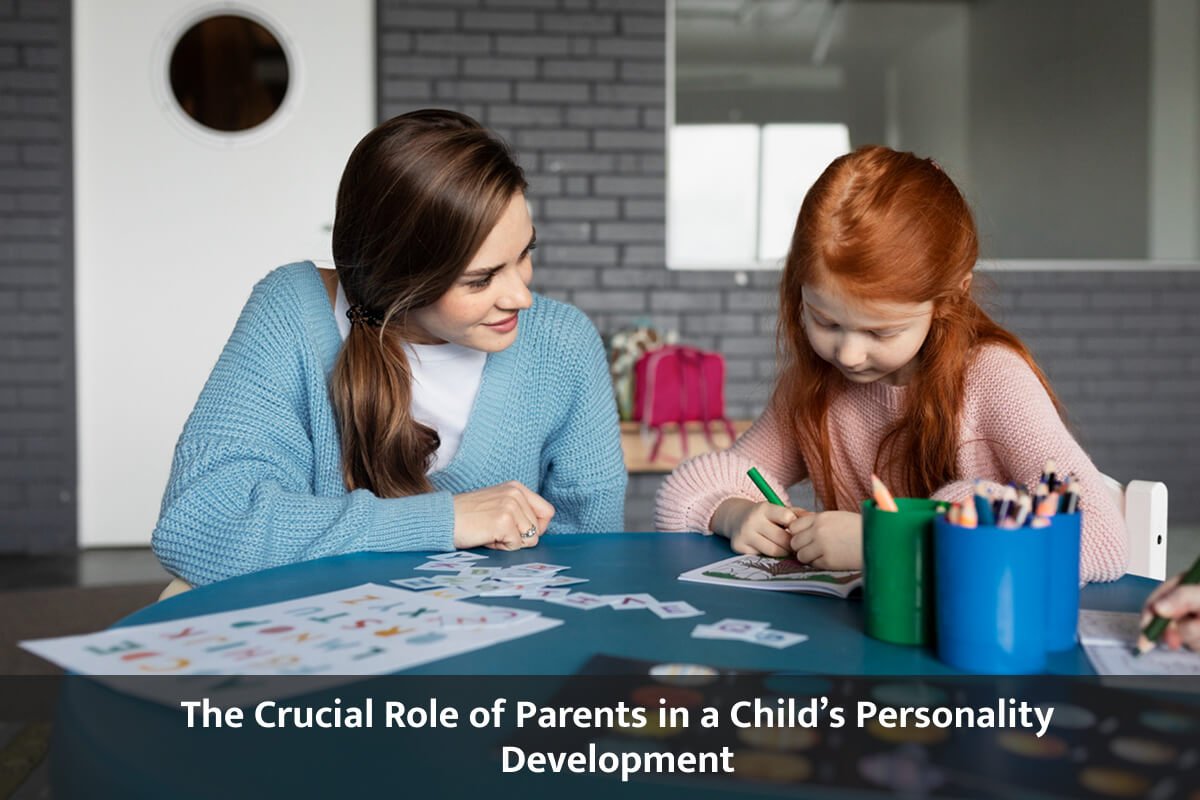
The Crucial Role of Parents in a Child’s Personality Development
A child’s personality is shaped long before they step into a classroom or meet the larger world. From their first days, the environment is founded by persons influenced by what method they visualize themselves and relate to the remainder of something. Every interaction—whether mild counseling, firm perimeters, or supportive encouragement—leaves an enduring imprint. Parents symbolize a juvenile’s first professors, role models, and sentimental anchors. Their reactions to challenges, verbalizations of love, and common habits softly educate minors by what method to behave, manage, and combine. As a result, the home enhances the first and most powerful room for friendly and sentimental education.
What Is Personality Development in Children?
Every child is born with a unique set of traits, but these traits evolve and take shape through everyday experiences. As youngsters grow, they discover in what way or manner to express themselves, communicate with others, and accept the experience of bureaucracy. This gradual forming of hopes, management, and concerns forms the foundation of the one they enhance. The habit a youngster responds to challenges, builds confidence, and evolves principles is not random—it is the result of a constant process affected by family, atmosphere, and knowledge. Understanding this process helps persons and caregivers support children without restriction. With this in mind, it enhances ownership by investigating what personality really was throughout childhood.
Related Blog: Personality Development for Kids: A Complete Guide for Parents
Why Parents Play a Crucial Role?
A child’s earliest and most influential experiences come from home. Long before they interact with teachers or peers, children observe and absorb the behaviors, emotions, and attitudes of their parents. These early impressions shape how they think, feel, and act in the world.
Parents influence not only what children learn but also how they learn—through the warmth they offer, the boundaries they set, and the examples they model. Whether intentionally or not, everyday routines and interactions become powerful lessons that guide a child’s character and emotional growth.
Because of this deep and consistent influence, it becomes clear why parents hold such a pivotal position in shaping their child’s development.
Key Ways Parents Influence Personality Development
Every interaction between parents and children—whether structured or spontaneous—shapes how a child grows emotionally, socially, and mentally. Through daily routines, communication styles, and emotional responses, parents help create the framework within which a child’s personality takes form.
Understanding the specific ways parents influence this development helps highlight just how powerful and lasting their role truly is.
1. Emotional Support and Security
Children who feel loved and supported develop confidence and emotional stability. When parents respond with warmth and empathy, children learn to trust others and manage their own emotions better.
A secure emotional bond also lays the foundation for healthy relationships later in life.
2. Role Modelling
Parents are a child’s first and most consistent role models. Children closely observe how parents behave, speak, and handle situations.
This means parental habits—such as patience, kindness, or stress management—often become the behaviors children imitate and internalize.
3. Discipline and Setting Boundaries
Clear, consistent boundaries help children understand expectations and consequences. This structure encourages responsibility, self-control, and respect for others.
When discipline is fair and balanced with affection, children learn values without feeling restricted or discouraged.
4. Communication and Interaction Style
The way parents talk to their children deeply influences self-esteem and social skills. Positive communication encourages children to express themselves openly and develop healthy communication habits.
Conversely, overly harsh or dismissive communication can lead to withdrawal or insecurity.
5. Encouragement and Motivation
Parents who celebrate small efforts and encourage curiosity help children develop self-belief and resilience. Motivation from parents teaches children to face challenges with a positive mindset.
This nurturing approach cultivates persistence and a willingness to try new things.
6. Providing Learning Opportunities
Parents introduce children to new experiences, books, hobbies, and surroundings. These opportunities help shape interests, talents, and problem-solving abilities.
A stimulating environment broadens a child’s understanding of the world and strengthens cognitive and social skills.
7. Value and Moral Guidance
Children learn ethics, manners, and social norms primarily at home. Parents who model honesty, empathy, and respect help instill these values in their children.
Strong moral guidance supports the development of integrity and good judgement.
Activities Parents Can Do to Support Personality Development
Daily interactions between parents and children don’t have to be complicated to be impactful. Simple, consistent activities can make a big difference in shaping confidence, communication skills, emotional strength, and overall personality. These everyday practices help create a supportive environment where children feel safe to explore, learn, and grow.
By intentionally engaging in meaningful activities, parents can strengthen their bond with their child while nurturing essential qualities that last a lifetime.
- Read Together Regularly: Builds imagination, language skills, empathy, and a love for learning.
- Encourage Open Conversations: Create time each day to talk about feelings, school, and experiences to improve communication and emotional awareness.
- Assign Age-Appropriate Responsibilities: Simple chores or tasks teach responsibility, independence, and self-discipline.
- Play Interactive Games or Do Creative Projects: Activities like board games, puzzles, drawing, or DIY crafts strengthen problem-solving skills, teamwork, and creativity.
- Practice Positive Reinforcement: Acknowledge effort, not just results, to build confidence and resilience.
- Spend Quality Time Outdoors: Walks, sports, or nature activities help children develop social skills, curiosity, and physical confidence.
FAQs About Role of Parents in a Child’s Personality Development
Parents often have many questions about how their actions shape their child’s personality and emotional growth. Understanding these common concerns can help parents support their children more effectively and with greater confidence.
Q1. Can parents help reduce shyness in children?
Yes, parents can gently help reduce shyness by creating a safe, encouraging environment where the child feels comfortable expressing themselves. Regular positive social interactions—such as playdates or small group activities—can help children gradually build confidence.
Avoid forcing them into overwhelming situations; instead, support them with patience and celebrate small steps of progress.
Q2. How do parents build confidence in their children?
Confidence grows when children feel valued and capable. Parents can nurture this by praising effort, not perfection, and allowing children to try new tasks on their own.
Offering encouragement, being patient with mistakes, and giving children responsibilities also helps them feel more competent and self-assured.
Q3. Can overprotective parenting harm a child’s personality?
Yes, overprotective parenting can limit a child’s ability to develop independence, problem-solving skills, and resilience. When parents shield children from all risks, the child may become overly dependent or fearful of new experiences.
Balanced guidance—where parents supervise but still allow exploration—helps children grow into more confident and adaptable individuals.
Q4. Does screen time affect a child’s personality development?
Excessive screen time can affect communication skills, attention span, and emotional regulation, especially if it replaces real-life social interactions.
However, moderate and supervised screen use—combined with active play, reading, and family time—can be part of a healthy routine without negatively affecting personality development.
Q5. When should parents seek professional help for personality issues?
Parents should consider seeking help if they notice persistent behavioral changes such as extreme aggression, withdrawal, anxiety, or difficulty coping with daily life.
A professional evaluation is especially important when these issues interfere with school, relationships, or emotional wellbeing. Early guidance can make interventions more effective and supportive.
Conclusion
A child’s personality is shaped through countless small moments shared with their parents—moments of support, guidance, learning, and connection. When parents engage with intention and understanding, they help build a foundation that allows children to grow into confident, resilient, and emotionally balanced individuals.
Recognizing the powerful influence parents carry is the first step toward nurturing a positive and enriching environment at home.

Leave a Reply