


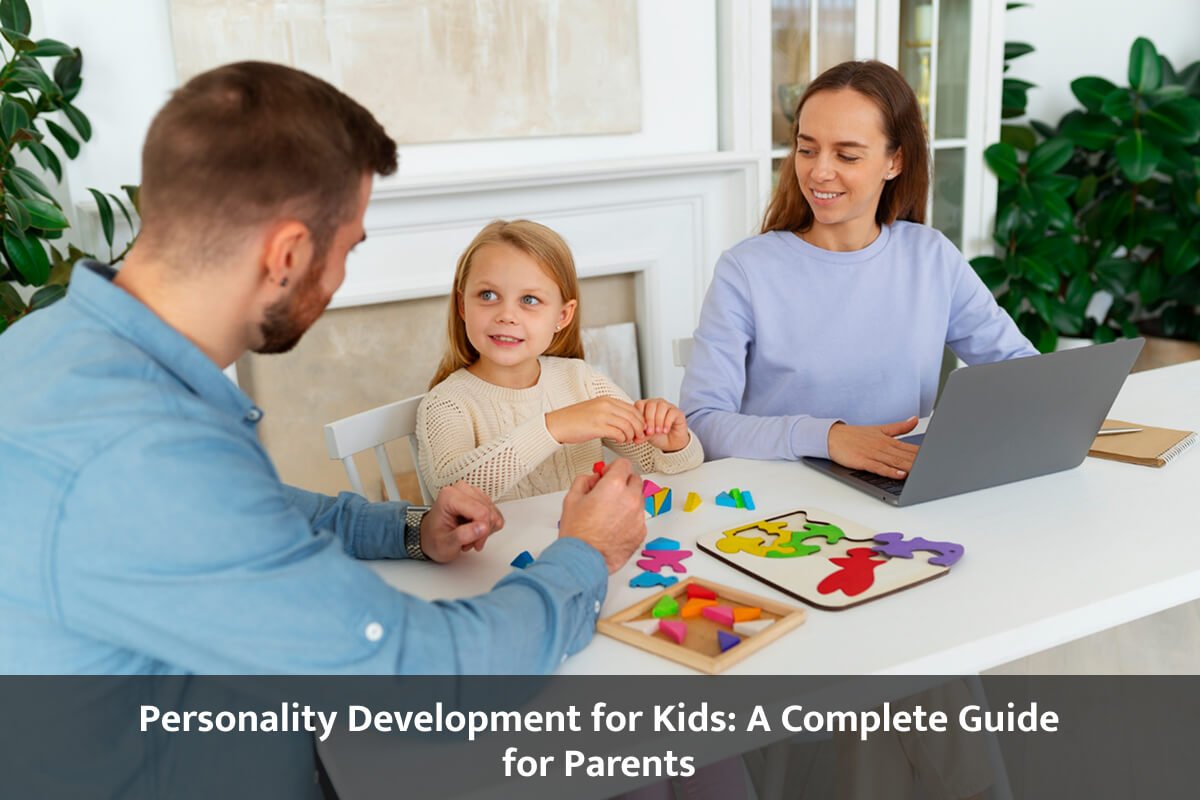
Personality Development for Kids: A Complete Guide for Parents
Every child is born with a unique blend of traits, but how these traits take shape depends largely on the environment they grow up in. Childhood is a sensitive ending where practices, behaviours, confidence levels, and public abilities start to form. As youth explore the experience of ruling class, they learn to learn by themselves, communicate with others, and expand moving reactions that continue into maturity.
In this journey of development, traits development enhances an essential bedrock. It influences by what method children express themselves, put oneself in the place of other challenges, answer questions, make determinations, and have connections with the crowd. With the right guidance, babies can add up to certain, understanding, and emotionally equalized things. This online journal will walk you through everything persons need to know—from what traits growth means to by virtue of what they can support it continually.
What Is Personality Development in Children?
Personality development in children refers to the gradual formation of their emotional, social, and behavioural characteristics. These contain assurance, communication, understanding, interest, liberty, and resilience. As toddlers evolve, they steadily interpret happenings and form ideas about themselves and the experience. These beliefs shape center facets of traits.
This process starts early in life. Even toddlers show desires, poignant reactions, and behavioural patterns that reflect arising traits characteristics. As children age, these characteristics enhance more culture through interactions at home, school, and public scenes. Personality incident is not about changing the one a kid is, but leading them to enhance their best, most healthful variant.
Understanding this helps parents support the baby’s accompanying capacity, encouragement, and significant convenience to survey and evolve.
Why Personality Development Matters During Childhood?
Childhood is a formative stage where the brain and emotional systems are rapidly developing. This makes it the ideal time to build strong foundations like self-esteem, responsibility, expressive abilities, and social understanding. When children receive the right environment early, they are more likely to develop into well-adjusted adults.
Healthy personality development helps children communicate better, build strong relationships, handle stress, and adapt to challenges. It also plays a key role in academic success, emotional wellbeing, and future career confidence. By nurturing personality growth early, parents give their children lifelong advantages that support overall happiness and stability.
Factors That Influence a Child’s Personality
A child’s personality is shaped through a combination of home environment, genetics, cultural background, and everyday experiences. These factors interact with each other to create distinctive behavioural patterns that make each child unique.
1. Family Environment
Children learn values, habits, communication patterns, and emotional responses from their home surroundings. Supportive and warm households help children feel secure and confident.
2. Parenting Style
Parents who model compassion, set boundaries, and encourage independence significantly influence a child’s emotional and social development. For instance, authoritative parenting promotes confidence and self-control.
3. Peer Influence
Friends and classmates expose children to new behaviours, communication styles, teamwork, and problem-solving experiences that enrich personality.
4. School Environment
Teachers, structured activities, and learning opportunities shape social skills, discipline, creativity, and confidence.
5. Media and Technology
Screen time, content consumption, and digital interactions also affect attention span, behaviour, and self-image, especially if not monitored.
Understanding these factors helps parents identify the areas where they can provide positive support.
Role of Parents in Personality Development
Parents play the most influential role in shaping a child’s overall personality because they are the first point of contact, comfort, and learning.
Here are the key parental roles:
- Providing emotional security and warmth
- Encouraging open communication
- Modeling positive behaviour and values
- Setting boundaries and teaching discipline
- Offering learning opportunities and exposure
- Supporting independence and decision-making
- Celebrating effort to build confidence
- Teaching empathy, respect, and responsibility
These daily interactions form a child’s perception of themselves and influence how they behave in social and emotional situations.
Personality Development Activities for Kids
Hands-on activities are a powerful way to strengthen personality traits such as creativity, leadership, emotional intelligence, and problem-solving.
Here are some practical activities for parents to try:
- Role-play games to help children understand emotions, perspectives, and communication.
- Reading together to enhance vocabulary, imagination, and empathy.
- Outdoor play and sports to build teamwork, confidence, and resilience.
- Simple household responsibilities to promote independence and responsibility.
- Creative arts such as drawing, music, or craft to improve emotional expression and confidence.
- Group activities or playdates to strengthen social skills and cooperation.
These activities are simple, enjoyable, and packed with developmental benefits.
Related Blog: 10 Fun and Effective Personality Development Activities for Children
Practical Tips for Parents to Support Personality Development
Parents can support their child’s growth by being intentional in their everyday interactions.
Here are some practical tips:
- Listen actively and encourage children to express their feelings and thoughts.
- Use positive reinforcement to build self-esteem and motivation.
- Set healthy boundaries that help children understand right from wrong.
- Allow age-appropriate independence to build problem-solving and decision-making skills.
- Encourage curiosity and exploration by exposing children to new experiences.
- Be consistent in routines, discipline, and emotional responses to create stability.
When these habits become part of daily life, personality development naturally strengthens.
FAQs About Personality Development for Kids
Parents often have specific questions about how personality forms and what they can do to support it. Here are detailed explanations for the most common concerns.
Q1. How can parents teach emotional intelligence to children?
Emotional intelligence begins with helping children understand and name their emotions. Parents can do this by talking openly about feelings, validating a child’s experiences, and modeling calm responses during stressful situations. Creating a safe space for children to express themselves encourages them to manage emotions appropriately.
Parents can also practice empathy-building exercises, such as asking how others might feel in certain situations. Over time, children learn to recognize emotional cues, respond sensitively, and develop self-control.
Q2. What activities help improve personality in kids?
Activities that involve creativity, communication, physical movement, and problem-solving are excellent for personality development. Reading, art, outdoor play, team sports, board games, and social interactions all help shape confidence, emotional strength, and character.
Even simple routines—like family meals, storytelling, or weekend hobbies—contribute to personality growth by providing structure, bonding, and learning opportunities.
Q3. How do I know if my child has a healthy personality?
A healthy personality is reflected in a child’s ability to express themselves, interact comfortably with others, manage emotions, and adapt to new situations. Children who display curiosity, empathy, independence, and confidence generally have a well-rounded personality.
Parents should also look for signs like willingness to share, ability to handle small challenges, and stable mood patterns. However, personality develops at different speeds, so occasional shyness or frustration is normal.
Q4. How can I help my child overcome shyness?
Shyness can be improved gradually through gentle encouragement. Parents can start by giving children opportunities to interact in small, comfortable settings. Praise their efforts when they make attempts to socialize and avoid forcing them into overwhelming situations.
Modeling confident communication, offering reassurance, and role-playing social scenarios also help children become more comfortable expressing themselves.
Q5. What role does school play in shaping a child’s personality?
School is a major environment where children learn cooperation, discipline, communication, and leadership. Teachers, classroom structures, group activities, and extracurricular programs all contribute to personality development.
Positive school environments teach children how to work in teams, resolve conflicts, express ideas, and handle responsibilities—skills essential for future success.
Conclusion
Personality development is a continuous journey that begins in early childhood and evolves through experiences, guidance, and relationships. Parents play the most crucial role in shaping this journey by providing emotional security, encouragement, and opportunities for growth.
With intentional involvement, meaningful activities, and supportive communication, parents can nurture traits that help children excel socially, emotionally, and academically. The goal is not to mold children into a specific type of person, but to help them grow into confident, kind, and capable individuals.

Leave a Reply