


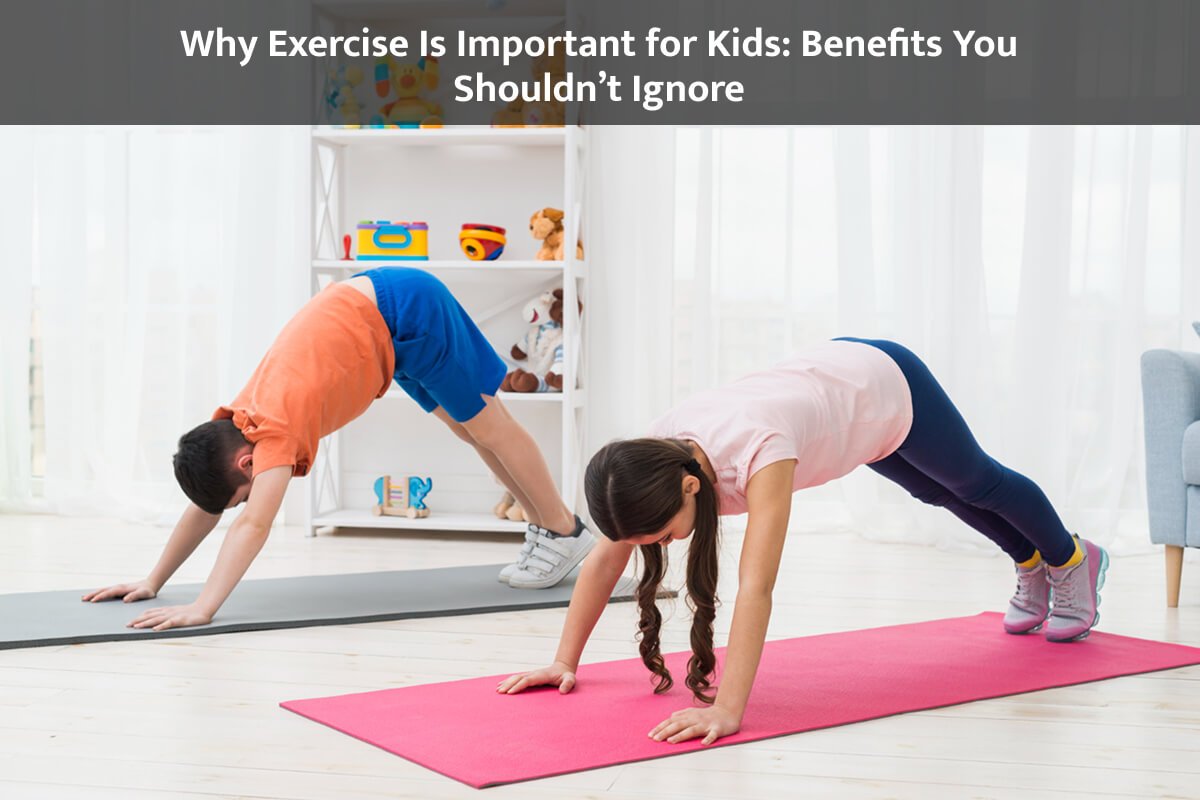
Why Exercise Is Important for Kids: Benefits You Shouldn’t Ignore
In today’s technology-driven world, children spend more time indoors, sitting in front of screens, and less time being physically active. This shift has elevated important concerns with persons, educators, and strength experts. Regular exercise isn’t just a habit to help kids blaze strength—it plays a fundamental part in their material, emotional, insane, and friendly growth. Childhood is the entertainment industry where practices are formed, and presenting exercise early helps infants build a groundwork for lasting fitness.
However, many parents struggle to learn in what way or manner much exercise kids indeed need, what types of projects are best, or by means of what to motivate kids, the one favor device over rustic play. Thankfully, the benefits of exercise for kids are far-reaching and well-documented. From more powerful bulks to cheat minds and enhanced assurance, movement does in addition to just holding kids fit.
This site surveys common people’s reasons why exercise is essential for children and by virtue of what persons can merge it surely into their constant routines. By the end, you’ll uncover efficient tips, types of exercises, and particularized answers to low questions—all planned to help you raise healthier, more satisfied, and more alive kids.
Why Do Kids Need Regular Exercise?
Children are naturally energetic, curious, and eager to explore their surroundings. Exercise helps channel this energy into meaningful movement that supports healthy growth. It strengthens the body, improves brain function, and builds important life skills that benefit kids now and in the future.
As kids grow, their bones, muscles, and organs develop rapidly. Regular physical activity ensures this development happens correctly and reduces the risk of early health issues such as obesity, poor posture, and low stamina. Beyond physical health, exercise contributes to emotional stability and cognitive improvement.
In a world where academic pressure continues to increase, regular movement acts as a natural stress-reliever. Kids who engage in daily exercise often sleep better, concentrate more effectively, and develop stronger self-esteem. Simply put, exercise is not optional—it is a vital part of a healthy childhood.
Physical Benefits of Exercise for Kids
Exercise plays a crucial role in shaping a child’s physical health. It supports growth, improves strength, and builds healthy habits that reduce disease risks later in life.
Here are the key physical benefits:
- Improves overall fitness by enhancing endurance, flexibility, and muscle strength.
- Strengthens bones and joints, supporting healthy growth and preventing early bone issues.
- Supports healthy weight management, reducing the risk of childhood obesity.
- Boosts immunity, helping kids fight illnesses more effectively.
- Enhances cardiovascular health, improving heart and lung function.
- Improves posture and body alignment, reducing back and neck problems.
- Enhances motor skills such as coordination, balance, and agility.
With consistent activity, children build a stronger foundation for lifelong physical health.
Mental & Emotional Benefits of Exercise
Exercise is not just good for the body—it works wonders for a child’s mental and emotional wellbeing. As physical activity increases blood flow to the brain, it directly boosts concentration, mood, and learning capacity.
Here are key mental and emotional benefits:
- Reduces stress and anxiety, releasing feel-good hormones like endorphins.
- Improves concentration and memory, helping children perform better academically.
- Boosts self-esteem, as kids feel more confident mastering physical skills.
- Enhances emotional regulation, teaching kids how to manage feelings effectively.
- Supports better sleep, improving overall mood and behaviour.
- Helps fight symptoms of depression and emotional fatigue.
- Builds resilience, teaching kids to push through challenges and setbacks.
Regular exercise gives children an emotional outlet to manage big feelings and improve mental clarity.
Social Benefits of Exercise for Kids
Many exercises involve teamwork, communication, and cooperation—skills essential for positive social development. When kids participate in group activities or sports, they learn how to interact with others, resolve conflict, and build friendships.
Here are the main social benefits:
- Encourages teamwork and collaboration, especially through group sports.
- Improves communication skills, as kids learn to express themselves clearly.
- Builds friendships, creating a sense of community and belonging.
- Teaches sportsmanship, helping children handle victory and loss gracefully.
- Boosts confidence in social settings, especially for shy or introverted kids.
- Develops leadership skills, as kids take initiative and make decisions.
- Strengthens empathy, helping children understand and support team members.
Exercise teaches social lessons that go far beyond physical movement.
Types of Exercises Kids Should Do
Children benefit most from a balanced mix of different types of exercises. These help them develop strength, stamina, flexibility, and motor skills.
Here are essential types of exercises for kids:
- Aerobic activities (running, cycling, dancing, swimming) to improve heart and lung health.
- Muscle-strengthening exercises (climbing, push-ups, rope activities, playground strength play).
- Bone-strengthening exercises (jumping, skipping, hopping, gymnastics).
- Flexibility exercises (stretching, yoga, mobility routines).
- Balance and coordination activities (skating, balancing games, ball play).
- Creative movement exercises (dance, martial arts, Zumba, free play).
- Outdoor games (tag, hide-and-seek, relay races, obstacle courses).
By mixing these types, kids receive a complete fitness experience that supports overall growth.
Related Blog: Top 10 Activities for Kids
Tips for Parents to Encourage Kids to Exercise
Getting kids to exercise regularly can be challenging, especially when screens and indoor activities compete for their attention. However, with the right strategies, parents can make movement fun and natural.
Here are some effective tips:
- Be a role model—kids follow what they see, so stay active yourself.
- Make exercise fun, not a chore—use games, challenges, or creative activities.
- Limit screen time, encouraging kids to explore physical alternatives.
- Choose age-appropriate activities to prevent frustration or boredom.
- Encourage outdoor play, even for short periods every day.
- Create a routine, making physical activity a regular part of daily life.
- Celebrate progress, no matter how small, to boost motivation.
When exercise feels enjoyable and supported, kids willingly participate.
FAQs About Importance of Exercise for Kids
Parents often have important questions about the role of exercise in their child’s growth. Here are detailed answers to the most common queries.
Q1. Can regular exercise help kids perform better in school?
Yes. Numerous studies highlight a strong link between physical activity and improved academic performance. Exercise increases blood flow to the brain, enhances memory, sharpens concentration, and reduces stress—all essential for learning. Kids who exercise regularly often show better focus, improved problem-solving abilities, and higher classroom engagement.
Furthermore, physical activity helps regulate sleep cycles, which directly impacts cognitive functioning. A well-rested child with a healthy routine performs better academically than one who is sedentary or sleep deprived.
Q2. How much exercise do kids need every day?
Health experts recommend that children aged 6–17 engage in at least 60 minutes of moderate to vigorous physical activity daily. This doesn’t need to be done all at once. Short bursts of activity spread throughout the day—like running, playing tag, or cycling—are equally beneficial.
Younger children (preschool ages) should stay active for at least 3 hours throughout the day, including light and energetic play. The goal is to make movement a natural part of daily life rather than a scheduled obligation.
Q3. How does exercise improve a child’s social skills?
Exercise provides opportunities for kids to interact with peers, communicate effectively, and work as a team. During group sports or outdoor play, children learn essential social skills such as turn-taking, cooperation, empathy, and conflict resolution.
They also gain confidence in social settings as they succeed in group activities or feel included in team roles. These experiences help shape stronger social awareness, better communication, and long-lasting friendships.
Q4. How do I motivate a child who doesn’t like sports?
Not every child is drawn to competitive sports—and that’s perfectly normal. To motivate them, focus on fun, non-competitive activities such as dancing, cycling, swimming, nature walks, or obstacle courses. Some children prefer creative movement over structured sports.
Parents can also explore activities like martial arts, yoga, or roller skating, which build fitness without the pressure of teamwork. Offering choices, involving kids in planning, and celebrating small achievements often helps spark interest.
Q5. Does weather affect kids’ exercise routines?
Yes, extreme weather conditions can limit outdoor activity, but exercise can continue indoors. Parents can encourage indoor activities like dance workouts, yoga, jumping rope, active video games, home obstacle courses, or simple exercises like squats and stretching.
The goal is consistency—ensuring children move daily regardless of weather. With creativity and planning, indoor exercise can be just as fun and effective.
Conclusion
Exercise is not just an optional activity—it is an essential part of a healthy childhood. It helps children grow physically stronger, mentally sharper, emotionally balanced, and socially confident. In a world where sedentary habits are becoming the norm, promoting regular movement is one of the greatest gifts parents can offer their children.
By understanding the importance of exercise, choosing the right activities, and encouraging consistent routines, parents can set children on a path toward lifelong health and happiness. Active kids grow into active adults—stronger in body, mind, and spirit.

Leave a Reply