


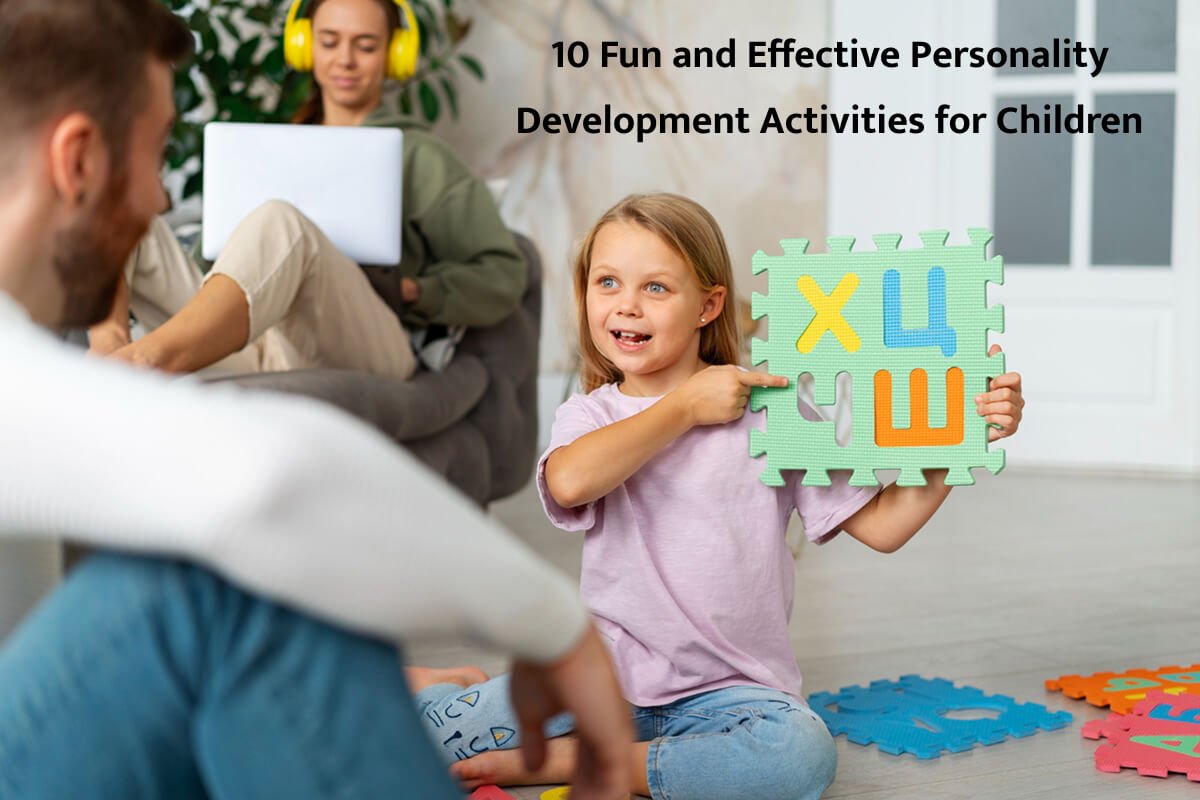
10 Fun and Effective Personality Development Activities for Children
Every youngster is related to their previous family or family trait a unique spark—assurance, artistry, interest, and kindness forthcoming bloom. Nurturing these values from a young age helps infants adapt emotionally powerful, philosophically knowledgeable, and self-assured things. Personality happening isn’t almost skills; it’s about forming principles, behaviours, and the skill to express themselves with clearness and boldness. In today’s fast-moving realm, children determine best when they boast the process. Fun, mutual, and thoughtfully created actions can create personality incidents and an organic and charming experience. These exercises help the bureaucracy build ideas, abilities, leadership conditions, understanding, and elasticity—all while having a fun time. With that in mind, present are few Fun and Effective Personality Development Activities for Children.
What Is Personality Development in Children?
Every child airs inside the ruling class an experience of potential—shaped by their thoughts, sentiments, interplays, and happenings. As they grow, these details meet to form the singular personality that outlines by means of what they express themselves and do business with the world. Guiding this development accompanying care can form an enduring difference in their assurance and touching welfare. In today’s changing atmosphere, infants face new moments as well as new challenges. Helping the ruling class build values like elasticity, empathy, positive attitude, and ideas abilities equips bureaucracy to navigate history accompanying substance and optimism. When fed early, these characteristics enhance the foundation of healthful, equalized traits.
Related Blog: Personality Development for Kids: A Complete Guide for Parents
10 Fun and Effective Personality Development Activities for Children
Children learn best when they are engaged, active, and having fun. Activities that blend creativity, communication, problem-solving, and teamwork can play a big role in shaping their personality while keeping them excited to participate. These experiences help them build confidence and social skills in a natural, enjoyable way.
With that goal in mind, here are ten fun and meaningful personality development activities designed to help children grow and shine.
1. Storytelling Circle
Storytelling encourages children to use their imagination, express ideas clearly, and build confidence in public speaking. Whether they create their own stories or retell familiar ones, each moment enhances creativity and communication skills.
It also strengthens listening ability, as children learn to respect others’ turn to speak and pay attention to diverse perspectives.
2. Role-Play Adventures
Through role-play, children step into different characters—teacher, doctor, leader, explorer—which helps them understand emotions, responsibilities, and social roles.
This activity boosts empathy, decision-making, and confidence as they act out real-life situations in a playful environment.
3. Art and Expression Time
Drawing, painting, or crafting gives children a safe space to express thoughts and emotions without needing words.
Art helps enhance focus, creativity, and emotional awareness while teaching them that mistakes are part of learning, not something to fear.
4. Confidence-Boosting Speech Sessions
Short, fun speeches on simple topics like “My Favourite Animal” or “A Day at the Park” help children overcome shyness.
These sessions improve vocabulary, clarity of speech, and stage confidence—skills that support strong self-expression throughout life.
5. Teamwork Games
Activities like building a tower with blocks, relay races, or scavenger hunts teach cooperation and communication.
They help children understand the importance of teamwork, patience, and sharing responsibilities, building social confidence in a playful way.
6. Gratitude Jar
Children write or dictate one thing they are grateful for each day and add it to a jar. Over time, they begin recognizing the positive aspects of life.
This simple habit nurtures emotional positivity, mindfulness, and empathy while building emotional resilience.
7. Problem-Solving Puzzles
Jigsaw puzzles, riddles, or simple brain games help children think critically and approach challenges calmly.
These activities strengthen cognitive flexibility, patience, and the ability to break problems into manageable steps.
8. “Kindness Challenge” Activities
Children complete small acts of kindness—helping a friend, sharing toys, or saying something encouraging.
These gestures build compassion, emotional sensitivity, and social responsibility, shaping a more thoughtful personality.
9. Music and Movement Sessions
Singing, dancing, or playing simple instruments allows children to express themselves freely.
Music enhances coordination, rhythm, and emotional release while improving social interaction in group sessions.
10. Nature Walks and Exploration
Exploring plants, birds, insects, or simply observing the environment helps children develop curiosity and awareness.
Nature-based activities encourage calmness, observation skills, responsibility, and appreciation for the world around them.
How Parents and Teachers Can Support Personality Development?
Children grow best in environments that make them feel supported, understood, and encouraged. While personality naturally evolves with age and experiences, the guidance of parents and teachers plays a crucial role in shaping a child’s confidence, behaviour, and emotional wellbeing. The everyday interactions children have with the adults around them greatly influence how they see themselves and how they connect with the world.
Parents and teachers act as role models—children observe their communication, habits, kindness, and responses to challenges. When adults offer patience, structure, and positive reinforcement, they help children develop healthy values and strong social-emotional skills. Even small gestures, like listening attentively or appreciating their efforts, can make a lasting impact.
Related Blog: The Crucial Role of Parents in a Child’s Personality Development
FAQs About Personality Development Activities for Children
Q1. What activities help children become more disciplined?
Activities that involve routines and responsibility—such as daily chores, organizing their study space, or maintaining a gratitude journal—help children build discipline. These tasks teach them consistency, time management, and accountability in a gentle, age-appropriate manner.
Games that require following rules, turn-taking, or completing steps in order also help strengthen self-control and patience, making discipline feel natural rather than forced.
Q2. Is public speaking good for shy children?
Yes, public speaking can be very beneficial for shy children when introduced gradually and in a supportive environment. Starting with simple activities like show-and-tell or short speeches on familiar topics helps build confidence without pressure.
Over time, public speaking allows children to express their thoughts clearly, overcome fear, and develop a healthy sense of self-assurance, which positively impacts other areas of their personality.
Q3. Does personality development affect academic performance?
Absolutely. Skills like confidence, concentration, emotional regulation, and problem-solving significantly influence how children approach learning. When they feel secure and motivated, they participate more actively and perform better academically.
Personality development also enhances communication, resilience, and curiosity—qualities that help children stay engaged and handle challenges in school with a positive mindset.
Q4. What mistakes should parents avoid during personality development activities?
Parents should avoid comparing their children with others, as it can create insecurity and reduce self-esteem. It’s also important not to rush or pressure them, since personality development is a gradual process.
Another common mistake is focusing only on weaknesses. Celebrating strengths, encouraging effort, and offering emotional support help create an environment where children feel confident enough to grow at their own pace.
Q5. Does storytelling help in personality development?
Yes, storytelling is a powerful tool for personality development. It stimulates imagination, improves language skills, and helps children understand emotions, values, and perspectives in a relatable way.
Listening to or narrating stories strengthens communication skills, builds confidence, and nurtures empathy—qualities that contribute significantly to shaping a balanced and expressive personality.
Conclusion
Personality development in children is a continuous, meaningful journey shaped by everyday experiences, supportive environments, and thoughtful guidance. When parents and teachers work together to nurture confidence, empathy, communication, and resilience, children gain the tools they need to thrive in every stage of life.
Ultimately, the goal is not perfection—it is progress. With consistent encouragement, engaging activities, and a foundation of love and understanding, every child can grow into a strong, expressive, and emotionally balanced individual.

Leave a Reply